Hypermobility & Ehlers-Danlos Syndrome (EDS) Treatment Brisbane
Conveniently located in Brisbane
2/ 296 Oxley Road, Graceville, QLD, 4075
Mon-Thur: 7:30am to 7:00pm, Fri: 7:30am to 6:00pm & Sat: 9:00am to 2:00pm
Free parking available for clients
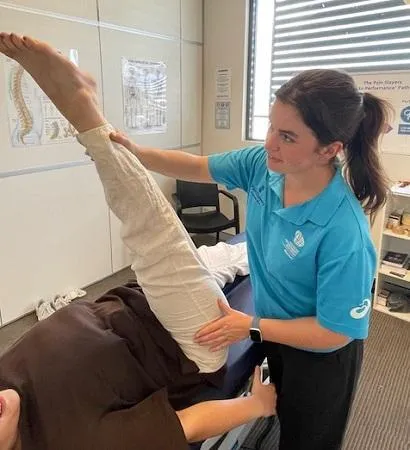
Evidence-based physiotherapy solutions for hypermobility related conditions
What is Hypermobility?
Hypermobility means that joints move beyond the normal range, often leading to instability, pain and frequent injuries. While some people are naturally flexible without problems (gymnasts, dancers or kids who can bend into unusual positions) others experience ongoing discomfort, reduced function or recurrent sprains and dislocations.
What is the difference between being flexible and Hypermobility?
Flexibility refers to the ability to lengthen muscles, hypermobility refers to a laxity in the ligaments surrounding the joints. In other words, you can gain flexibility through consistent stretching techniques but you cannot stretch ligaments to increase joint mobility.
What is Ehlers-Danlos Syndrome (EDS)?
Ehlers-Danlos Syndrome (EDS) is a connective tissue disorder that often involves joint hypermobility, fragile skin and soft tissue injuries. For people living with EDS, everyday activities can become difficult due to ongoing pain, fatigue or frequent injuries. While flexibility itself isn’t always a problem, when it leads to instability or reduced function, professional support can make all the difference.
People with hypermobility or EDS may experience:
Joint pain and fatigue
Frequent sprains, strains, or subluxations
Muscle weakness and poor postural control
Delayed recovery after injury
Headaches, dizziness or generalised fatigue (common with hypermobility spectrum disorders)
Hypermobility affects people of all ages in Australia but is most common in kids, teenagers and women.
Early assessment and management can reduce the risk of chronic pain and improve long-term quality of life.
How Graceville Physio Painslayers Can Help?
At our Graceville Physio Painslayers, we use evidence-based physiotherapy approaches to support people with hypermobility and EDS:
Individualised Exercise Programs
Focused on building joint stability, core strength and endurance without overloading fragile tissues.
Manual Therapy
Gentle techniques to relieve muscle tightness and improve mobility where safe.
Education & Self-Management
Learning strategies to protect your joints, pace activities and manage fatigue.
Taping & Supports
External support to stabilise vulnerable joints during activity.
Posture & Movement Training
Correcting biomechanics to reduce strain and prevent injury.
Pain Management Techniques
Including pacing, activity modification and advice on safe participation in sport or daily life.
Without the right guidance, hypermobility and EDS can lead to long-term pain, repeated injuries and reduced quality of life. Physiotherapy provides individualised care to help you stay active, safe and in control of your health.
If you or your child is living with hypermobility or Ehlers-Danlos Syndrome, physiotherapy can help you manage symptoms, prevent injuries and build strength for everyday life.
Contact our team today!
No referral needed


Follow Us
The Clinic
Common conditions
© Copyright 2026 Vitala Health. All Rights Reserved.
Facebook
Instagram
Youtube