
Are You Looking For a Physiotherapist In Graceville, QLD?
Why Book at Graceville Physio Painslayers?
Because we’re not just Physiotherapists, we are Pain Slayers!
When it comes to your health, you deserve the best and that’s exactly what we deliver.
At Graceville Physio Painslayers, we combine clinical expertise with genuine care to provide results-driven physiotherapy that puts you first.
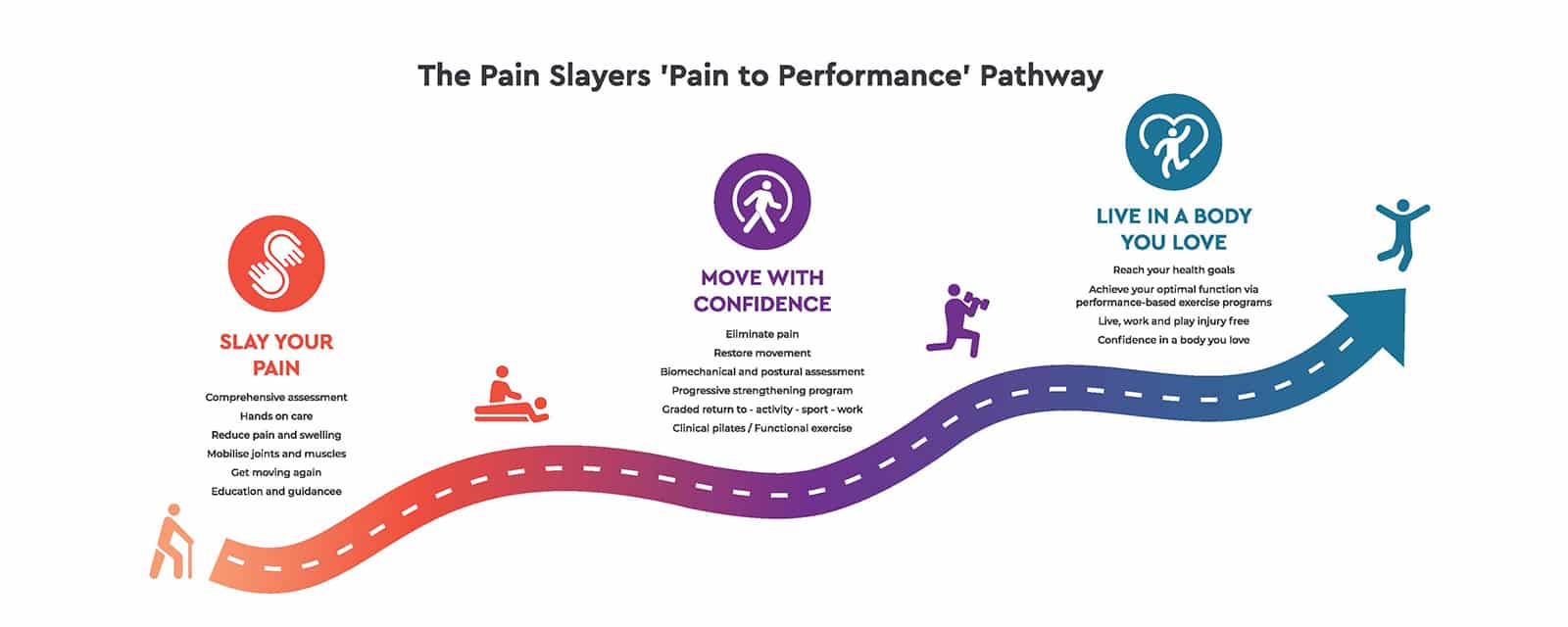
Our experienced team doesn’t just treat symptoms, we pride ourselves on our pain to performance approach to client care where we take the time to understand the root cause of your pain and create a personalised plan to help you move better, feel stronger and get back to what you love. Our model is to slay your pain, help you to move with confidence and ultimately live in a body you love.
Because it's not just about living longer—it's about living well. Prioritising your health span means staying active and independent for as many years as possible.
Make your health a priority and book an appointment with one of our expert physios and take the first step towards better health.
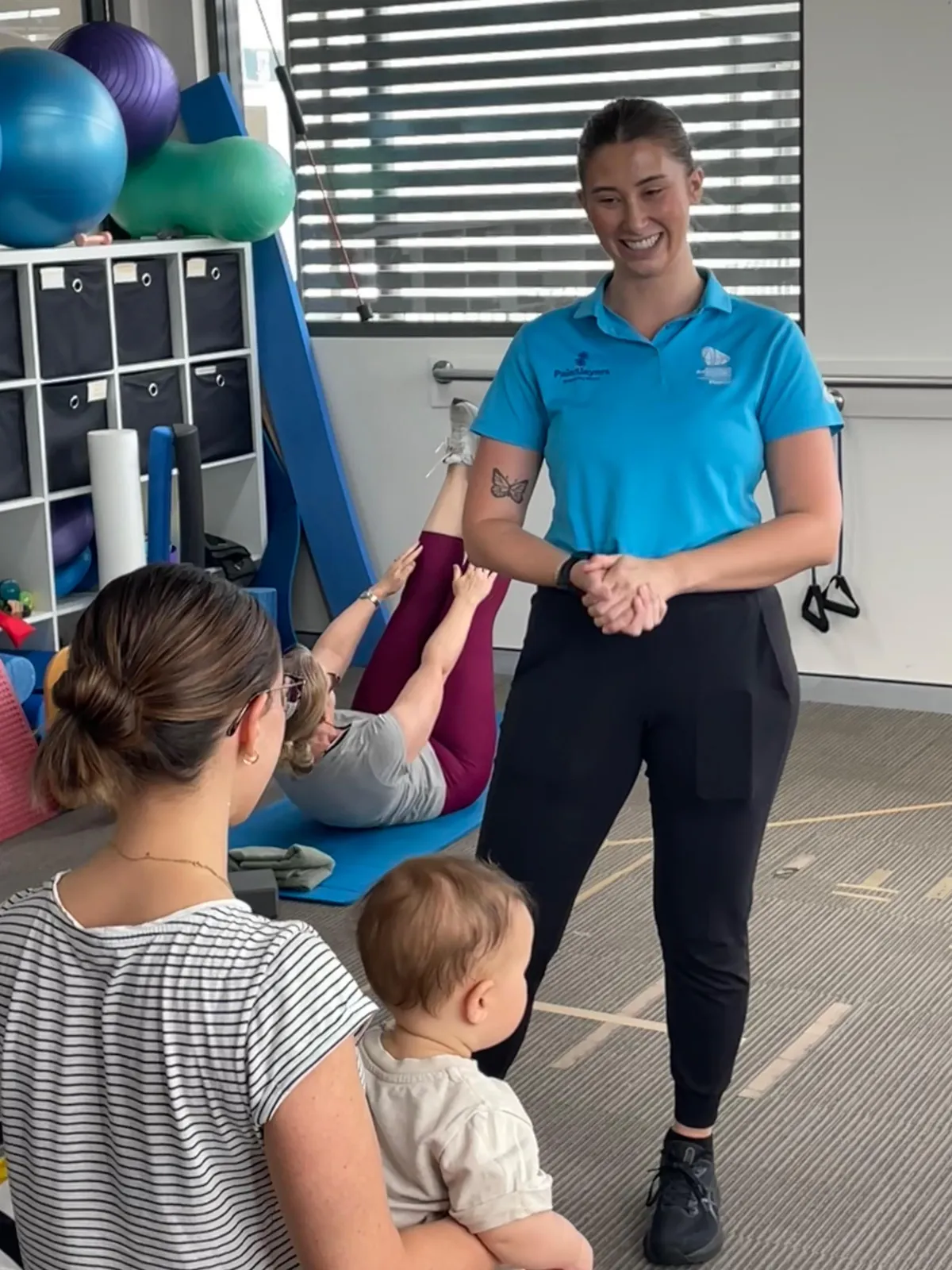
Graceville Physio Painslayers was established in 1990 and has consistently provided a high standard of Physiotherapy care to the people of Graceville, Sherwood, Corinda, Tennyson ,Oxley and Chelmer.

What Sets Us Apart?
Our “Pain Slayers” identity reflects our bold philosophy — we don’t just manage symptoms, we focus on eliminating pain and helping you get back to living your best life.
We’ve been proudly serving Graceville, Sherwood, Corinda and Chelmer since 1990. Our long-standing presence means we truly understand and care for the health needs of our community.
From premium physiotherapy and sports injury management to dry needling, women’s health, and clinical exercise programs, we offer a full range of services designed to treat the cause, not just the symptoms.
You don’t need a referral to see us, and we make it easy to book online. With convenient Saturday appointments and a central Graceville location, we’re here when you need us.
How Can We Help?
At Graceville Physio Painslayers we treat a wide range of conditions from everyday aches to complex injuries. Whether you're dealing with a recent injury or something that’s been nagging you for a while, our experienced physiotherapists can help you understand the cause and work towards lasting relief.
We commonly help clients with:
Back pain – from stiffness and postural strain to disc injuries and sciatica
Neck pain & headaches – including tension, whiplash and desk-related strain
Shoulder pain – such as rotator cuff issues, bursitis and frozen shoulder
Knee pain – from ligament injuries and arthritis to patellofemoral pain
Hip & pelvic pain – affecting movement, stability or sleep
Ankle & foot problems – including sprains, Achilles issues and plantar fasciitis
Post-surgical recovery – regain strength and mobility after Orthopaedic Surgery (Hip and Knee replacements, ACL reconstructions etc)
Sports injuries – from sprains and strains to overuse injuries
Balance and dizziness issues – including BPPV and vestibular dysfunction
Confused about your pain and not sure what to do?
Get clear, professional advice in our free downloadable information packs
Back Pain
Understand why back pain happens and how to help it
Shoulder Pain
Understand why shoulder pain happens and how to help it
Knee Pain
Understand why knee pain happens and how to help it

Latest Tips and Advice

Physiotherapy After Breast Cancer Surgery | Brisbane
Recovering from breast cancer surgery involves more than allowing the surgical wound to heal. As your body repairs itself, scar tissue naturally forms around the operated area.
Some people may experience tightness, sensitivity or restriction around the surgical area, or notice changes in how comfortably they can move their shoulder or arm during recovery.
After procedures such as a lumpectomy, mastectomy, lymph node surgery or breast reconstruction, changes around the chest, breast, underarm and surrounding tissues can affect how comfortable everyday movement feels.
Physiotherapy may form part of your recovery after breast cancer surgery. At Graceville Painslayers Physiotherapy in Graceville, Brisbane, physiotherapy management can be tailored to the individual following an assessment and considered alongside advice from your treating medical team.
What is scar tissue after breast cancer surgery?
Scar formation is a normal part of the body's healing response following surgery. New connective tissue develops as the surgical area heals.
While the visible scar is on the skin, changes following surgery can also involve tissues beneath and around the scar. Some people describe sensations such as:
Tightness or pulling around the breast, chest or underarm
Reduced shoulder or arm movement
Sensitivity around the scar
Stiffness through the chest or shoulder
Discomfort with reaching overhead or behind the back
A feeling that the skin or underlying tissues do not move as freely as before
The experience varies significantly from person to person. The type and location of surgery, additional cancer treatment, previous health and individual healing can all influence recovery.
How can physiotherapy help after breast cancer surgery?
Physiotherapy does not aim to "remove" a scar. Instead, physiotherapy after breast cancer surgery may focus on movement, function and symptoms that are relevant to the individual.
Scar and surrounding tissue assessment
A physiotherapist can assess the scar and surrounding tissues, as well as shoulder movement, strength and functional activities.
Depending on the assessment and stage of healing, treatment may include techniques directed towards the skin and surrounding soft tissues, where clinically appropriate.
Your physiotherapist can also discuss whether scar management may be appropriate for you and provide relevant advice based on your individual presentation.
Shoulder and arm mobility
Chest and underarm tightness can sometimes make reaching, dressing or other daily activities more difficult.
An individual exercise program may include gentle mobility exercises aimed at supporting comfortable, progressive movement of the shoulder and upper body.
Strength and return to activity
After surgery and cancer treatment, returning to your usual activities can be a gradual process.
Depending on your circumstances, physiotherapy may include strengthening and graded exercise matched to your current capacity and recovery goals.
This might focus on practical goals such as returning to work, household activities, exercise or other activities that are important to you.
When should I see a physiotherapist after breast cancer surgery?
There is no single timetable that is appropriate for everyone.
If you are experiencing persistent tightness, restricted shoulder movement, discomfort around your scar or difficulty returning to everyday activities following breast cancer surgery, a physiotherapy assessment may help determine what factors are contributing and whether physiotherapy is appropriate.
Importantly, scar treatment should only begin when it is safe for your particular stage of healing. If there is any concern about wound healing or complications following surgery, advice from your surgeon or treating medical team should be sought.
Common questions about physiotherapy after breast cancer surgery
Can physiotherapy get rid of breast surgery scar tissue?
Physiotherapy cannot erase a surgical scar. Where appropriate, management may instead focus on tissue mobility, comfortable movement and functional problems associated with the area.
Your physiotherapist can assess your individual presentation before recommending an approach.
Can I massage my scar myself?
Scar massage is not necessarily suitable immediately after surgery or for every person.
A physiotherapist can assess the area and, where clinically appropriate, discuss or demonstrate scar-management techniques. Depending on your surgery, healing and ongoing cancer treatment, advice from your treating medical team may also be appropriate before commencing scar massage.
What if my surgery was months or years ago?
If an older surgical scar is associated with ongoing tightness, restricted movement or functional difficulty, you can still discuss these concerns with a physiotherapist.
An assessment can help determine whether physiotherapy management is appropriate for your current symptoms and goals.
Should physiotherapy replace my breast cancer medical care?
No. Physiotherapy is not a treatment for breast cancer itself and does not replace the care provided by your surgeon, oncologist or other members of your healthcare team.
Instead, physiotherapy may form one component of rehabilitation following surgery and treatment.
Physiotherapy after breast cancer surgery in Graceville, Brisbane
Recovery after breast cancer surgery is personal. Two people undergoing similar procedures can have quite different symptoms, movement and rehabilitation needs.
For that reason, physiotherapy should be based on an individual assessment rather than a one-size-fits-all program.
If you are experiencing scar-related tightness, changes in shoulder movement or difficulty returning to everyday activities following breast cancer surgery, contact Graceville Painslayers Physiotherapy in Graceville on 07 3278 1186, Brisbane to discuss whether a physiotherapy assessment may be appropriate for you.

Contact us today to speak with our friendly team and find out how we can help you feel your best
Our memberships and partnerships reflect our commitment to quality care.







Graceville Physio Painslayers is powered by Vitala Health, a group of Allied Health Practices across New Zealand and Australia.
Vitala Health provides clinical solutions that supports clients health and lifestyle needs through best practice treatment, premium facilities, education and ongoing commitment to customer service. Learn more about Vitala Health
If you have any questions before scheduling an appointment or for general enquiries, please contact us. Our team will promptly reach out to assist you.
Opening Hours
Mon: 7:30am - 7:00pm
Tue: 7:30am - 7:00pm
Wed: 7:30am - 7:00pm
Thu: 7:30am - 7:00pm
Fri: 7:30am - 6:00pm
Sat: 9:00am - 2:00pm
Sun: Closed
Location
2 /296 Oxley Road
Graceville
QLD, 4075



Follow Us
The Clinic
Common conditions
© Copyright 2026 Vitala Health. All Rights Reserved.
Facebook
Instagram
Youtube