
Are You Looking For a Physiotherapist In Graceville, QLD?
Why Book at Graceville Physio Painslayers?
Because we’re not just Physiotherapists, we are Pain Slayers!
When it comes to your health, you deserve the best and that’s exactly what we deliver.
At Graceville Physio Painslayers, we combine clinical expertise with genuine care to provide results-driven physiotherapy that puts you first.
Our experienced team doesn’t just treat symptoms, we pride ourselves on our pain to performance approach to client care where we take the time to understand the root cause of your pain and create a personalised plan to help you move better, feel stronger and get back to what you love. Our model is to slay your pain, help you to move with confidence and ultimately live in a body you love.
Because it's not just about living longer—it's about living well. Prioritising your health span means staying active and independent for as many years as possible.
Make your health a priority and book an appointment with one of our expert physios and take the first step towards better health.
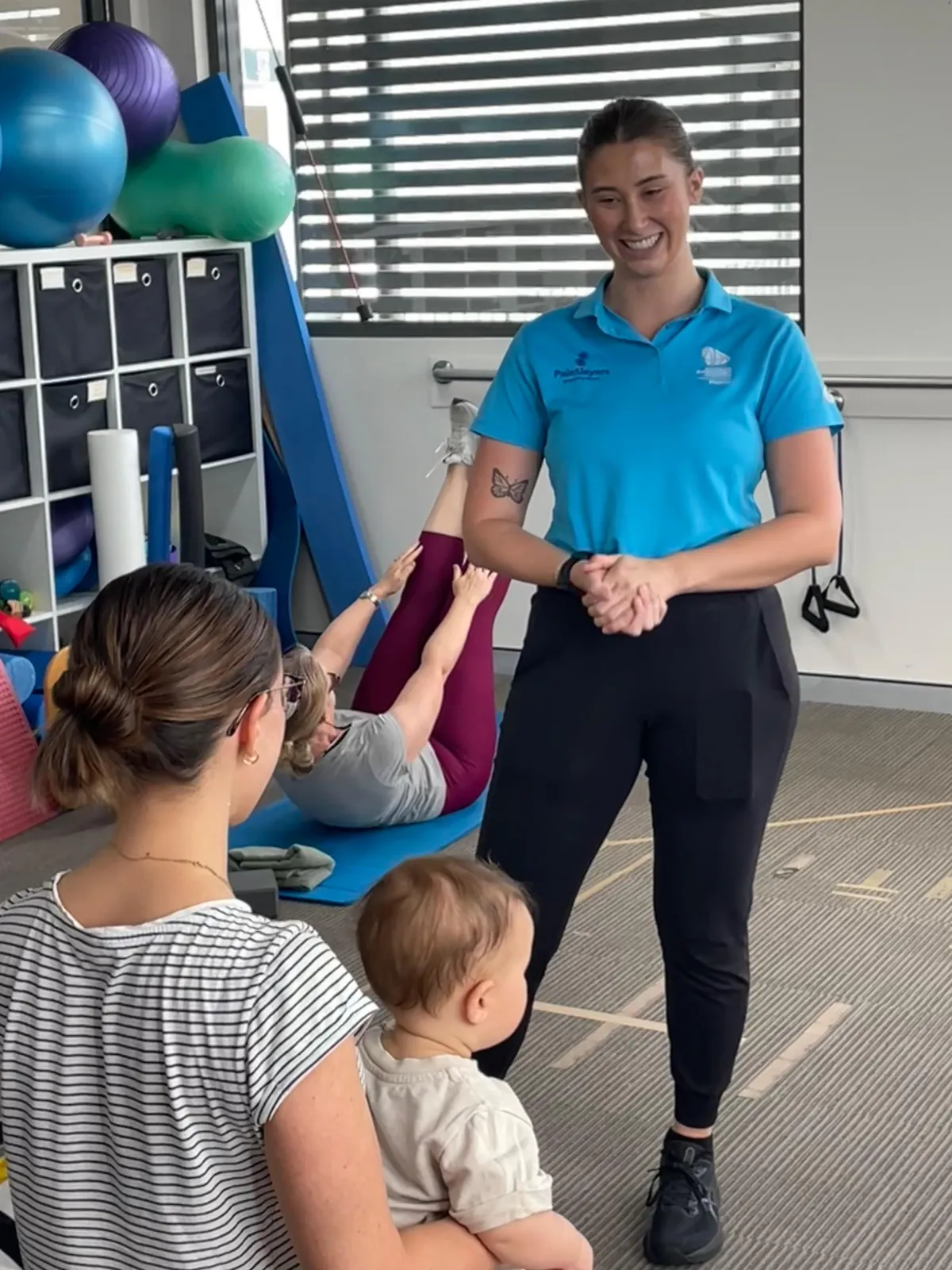
Graceville Physio Painslayers was established in 1990 and has consistently provided a high standard of Physiotherapy care to the people of Graceville, Sherwood, Corinda, Tennyson ,Oxley and Chelmer.

What Sets Us Apart?
Our “Pain Slayers” identity reflects our bold philosophy — we don’t just manage symptoms, we focus on eliminating pain and helping you get back to living your best life.
We’ve been proudly serving Graceville, Sherwood, Corinda and Chelmer since 1990. Our long-standing presence means we truly understand and care for the health needs of our community.
From premium physiotherapy and sports injury management to dry needling, women’s health, and clinical exercise programs, we offer a full range of services designed to treat the cause, not just the symptoms.
You don’t need a referral to see us, and we make it easy to book online. With convenient Saturday appointments and a central Graceville location, we’re here when you need us.
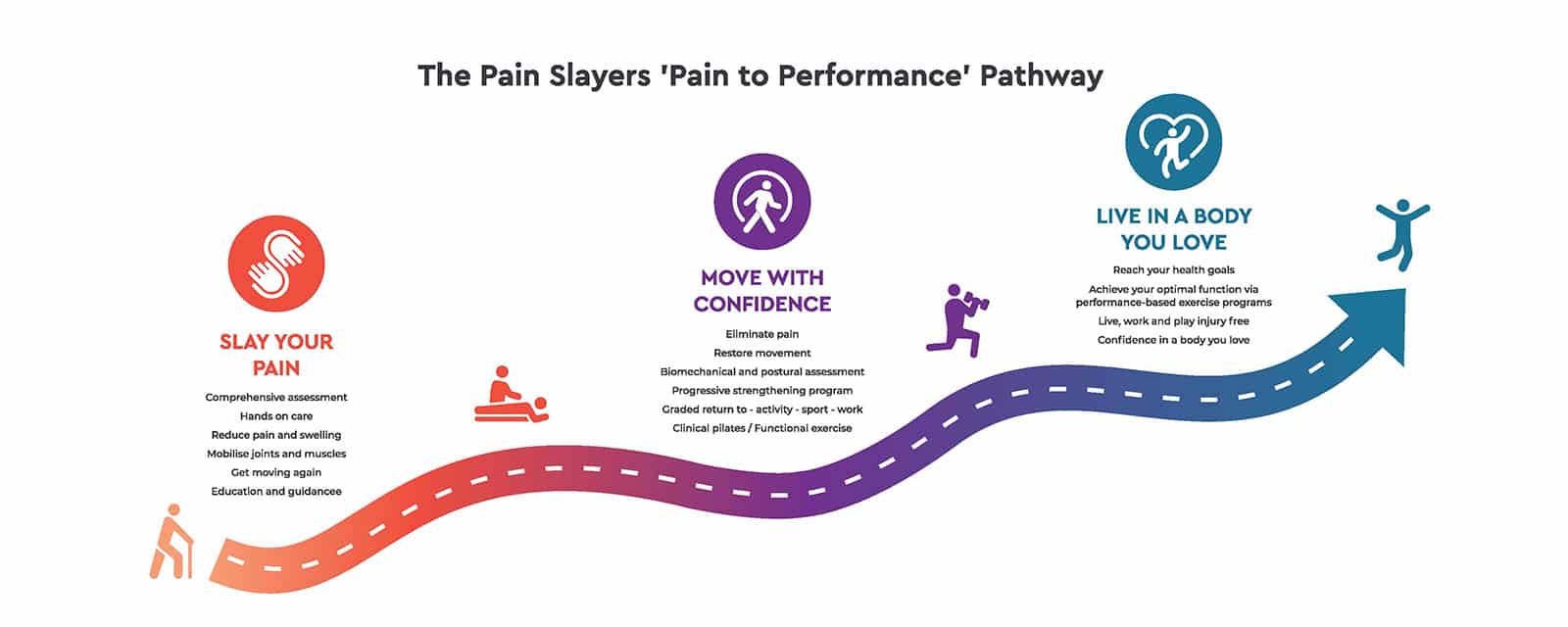
How Can We Help?
At Graceville Physio Painslayers we treat a wide range of conditions from everyday aches to complex injuries. Whether you're dealing with a recent injury or something that’s been nagging you for a while, our experienced physiotherapists can help you understand the cause and work towards lasting relief.
We commonly help clients with:
Back pain – from stiffness and postural strain to disc injuries and sciatica
Neck pain & headaches – including tension, whiplash and desk-related strain
Shoulder pain – such as rotator cuff issues, bursitis and frozen shoulder
Knee pain – from ligament injuries and arthritis to patellofemoral pain
Hip & pelvic pain – affecting movement, stability or sleep
Ankle & foot problems – including sprains, Achilles issues and plantar fasciitis
Post-surgical recovery – regain strength and mobility after Orthopaedic Surgery (Hip and Knee replacements, ACL reconstructions etc)
Sports injuries – from sprains and strains to overuse injuries
Balance and dizziness issues – including BPPV and vestibular dysfunction
Confused about your pain and not sure what to do?
Get clear, professional advice in our free downloadable information packs
Back Pain
Understand why back pain happens and how to help it
Shoulder Pain
Understand why shoulder pain happens and how to help it
Knee Pain
Understand why knee pain happens and how to help it

Latest Tips and Advice
Osteoporosis, Exercise & Stronger Bones | Graceville
Osteoporosis is a common condition that affects bone strength and can increase the risk of fractures. Many people are surprised to learn that the right type of exercise, combined with professional guidance from a physiotherapist and exercise physiologist, can play an important role in supporting bone health and maintaining independence.
At Graceville Painslayers Physiotherapy, we work with people from Graceville and across Brisbane who want to better understand osteoporosis, stay active and build confidence in their movement. While osteoporosis cannot always be reversed, evidence-based exercise and physiotherapy strategies may help support bone strength, improve balance and reduce the risk of falls.
What Is Osteoporosis?
Osteoporosis is a condition that causes bones to become less dense and more fragile over time. As bone density decreases, bones may become more susceptible to fractures, even from relatively minor falls or impacts.
Osteoporosis is more common in:
Older adults
Post-menopausal women
People with a family history of osteoporosis
Individuals with low levels of physical activity
People with certain medical conditions or medication histories
Many people do not realise they have osteoporosis until they experience a fracture or undergo a bone density scan.
Can Exercise Help Strengthen Bones?
One of the most common questions people ask is:
Does exercise make bones stronger?
Research suggests that appropriately prescribed exercise can help stimulate bone tissue and support the maintenance of bone density. Weight-bearing and resistance exercises place healthy stress on the bones, encouraging them to adapt and remain as strong as possible.
Exercise may also help improve:
Muscle strength
Balance and stability
Reaction time
Posture
Coordination
Confidence with movement
These benefits can be particularly important for people living with osteoporosis because reducing falls risk is a key part of managing the condition.
The Role of Exercise Physiology in Osteoporosis Management
Exercise physiologists are university-trained health professionals who design individualised exercise programmes for people with a wide range of health conditions, including osteoporosis.
What does an exercise physiologist do for osteoporosis?
An exercise physiologist can assess your current fitness, mobility, strength and medical history before developing a tailored exercise plan.
Your programme may include:
Resistance training
Weight-bearing exercises
Functional strength training
Balance exercises
Postural exercises
Progressive activity programmes
The aim is to help you exercise safely while working towards improvements in strength, mobility and overall physical function.
Every person is different, which is why exercise programmes should be tailored to individual needs and medical circumstances.
How Physiotherapy Can Help People with Osteoporosis
Physiotherapy is another important part of osteoporosis management.
Why see a physiotherapist if you have osteoporosis?
A physiotherapist can assess how osteoporosis is affecting your movement, posture and daily activities. They can identify areas of weakness, stiffness or movement patterns that may increase injury risk.
Physiotherapy may help by:
Assessing mobility and movement quality
Providing education about safe movement strategies
Improving balance and coordination
Addressing pain associated with movement limitations
Developing tailored exercise programmes
Supporting recovery following injury or fracture
At Graceville Painslayers Physiotherapy, our team takes the time to understand your goals and concerns before developing a personalised management plan.
Which Exercises Are Best for Osteoporosis?
Many people wonder which exercises are most beneficial for bone health.
Recommended exercises may include:
Weight-Bearing Activities
These activities encourage your body to work against gravity.
Examples include:
Walking
Stair climbing
Hiking
Low-impact aerobic exercise
Resistance Training
Strength training places controlled stress on bones and muscles.
Examples include:
Free weights
Resistance bands
Weight machines
Bodyweight exercises
Balance Training
Improving balance can help reduce the likelihood of falls.
Examples include:
Single-leg standing exercises
Functional balance drills
Stability exercises
Postural Exercises
These exercises aim to support spinal alignment and movement efficiency.
A physiotherapist or exercise physiologist can help determine which exercises are appropriate for you and which movements should be modified based on your individual circumstances.
Impact Loading and Plyometric Exercises
For some people with osteoporosis or low bone density, appropriately prescribed impact-loading exercises may provide an additional stimulus for bone health. Research suggests that bones respond to forces generated through impact and muscle contractions, which may help support bone density maintenance.
Examples may include:
Small jumps and hopping drills
Step-down impacts
Skipping
Bounding exercises
Modified plyometric activities
These exercises are not suitable for everyone and should be individually assessed, particularly for people with established osteoporosis, previous fractures, balance concerns or other health conditions. A physiotherapist or exercise physiologist can determine whether impact loading exercises are appropriate and how they can be introduced safely.
Common Questions About Osteoporosis
Is it too late to exercise if I already have osteoporosis?
In many cases, people with osteoporosis can still benefit from appropriately prescribed exercise. Before starting any exercise programme, it is important to seek professional advice to ensure activities are suitable for your situation.
Can physiotherapy cure osteoporosis?
Physiotherapy does not cure osteoporosis. However, it may assist people in managing symptoms, improving physical function, maintainingmobility and reducing falls risk through targeted assessment and exercise strategies.
How often should I exercise with osteoporosis?
The ideal frequency and type of exercise vary between individuals. A physiotherapist or exercise physiologist can provide recommendations based on your health status, goals and current activity levels.
Is Walking Enough for Osteoporosis?
Walking is a valuable weight-bearing exercise that supports general health, mobility and physical activity levels. However, current evidence suggests that walking alone may not provide a sufficient stimulus to maximise bone-strengthening adaptations, particularly in areas commonly affected by osteoporosis such as the hips and spine.
Many people may benefit from a combination of:
Progressive resistance training
Weight-bearing exercise
Impact-loading activities (where appropriate)
Balance training
Postural exercises
A physiotherapist or exercise physiologist can help determine the most appropriate combination of exercises based on your bone health, medical history and individual goals.
Supporting Bone Health in Graceville and Brisbane
Living with osteoporosis does not mean giving up the activities you enjoy. With appropriate guidance, many people continue to stay active and participate confidently in daily life.
At Graceville Painslayers Physiotherapy, we provide physiotherapy and exercise physiology services for people throughout Graceville, Chelmer, Sherwood, Corinda, Indooroopilly and the wider Brisbane region. Our focus is on helping clients understand their condition, move safely and build confidence through evidence-informed care.
Book an Appointment
If you have osteoporosis, concerns about bone health or want guidance on safe exercise, the team at Graceville Painslayers Physiotherapy is here to help.
While walking remains an important part of an active lifestyle, building stronger bones often requires a broader exercise approach. Resistance training, balance work and, where appropriate, carefully prescribed impact-loading or plyometric exercises may help provide the stimulus needed to support bone health. Working with a qualified physiotherapist and exercise physiologist can help ensure these exercises are appropriate for your individual circumstances.
Contact Graceville Painslayers Physiotherapy today by calling 07 3278 1186 or booking online to arrange an appointment and learn how tailored physiotherapy and exercise physiology services may help you stay active and manage osteoporosis with confidence.

Contact us today to speak with our friendly team and find out how we can help you feel your best
Our memberships and partnerships reflect our commitment to quality care.








Graceville Physio Painslayers is powered by Vitala Health, a group of Allied Health Practices across New Zealand and Australia.
Vitala Health provides clinical solutions that supports clients health and lifestyle needs through best practice treatment, premium facilities, education and ongoing commitment to customer service. Learn more about Vitala Health
If you have any questions before scheduling an appointment or for general enquiries, please contact us. Our team will promptly reach out to assist you.
Opening Hours
Mon: 7:30am - 7:00pm
Tue: 7:30am - 7:00pm
Wed: 7:30am - 7:00pm
Thu: 7:30am - 7:00pm
Fri: 7:30am - 6:00pm
Sat: 9:00am - 2:00pm
Sun: Closed
Location
2 /296 Oxley Road
Graceville
QLD, 4075



Follow Us
The Clinic
Common conditions
© Copyright 2026 Vitala Health. All Rights Reserved.
Facebook
Instagram
Youtube