
Are You Looking For a Physiotherapist In Graceville, QLD?
Why Book at Graceville Physio Painslayers?
Because we’re not just Physiotherapists, we are Pain Slayers!
When it comes to your health, you deserve the best and that’s exactly what we deliver.
At Graceville Physio Painslayers, we combine clinical expertise with genuine care to provide results-driven physiotherapy that puts you first.
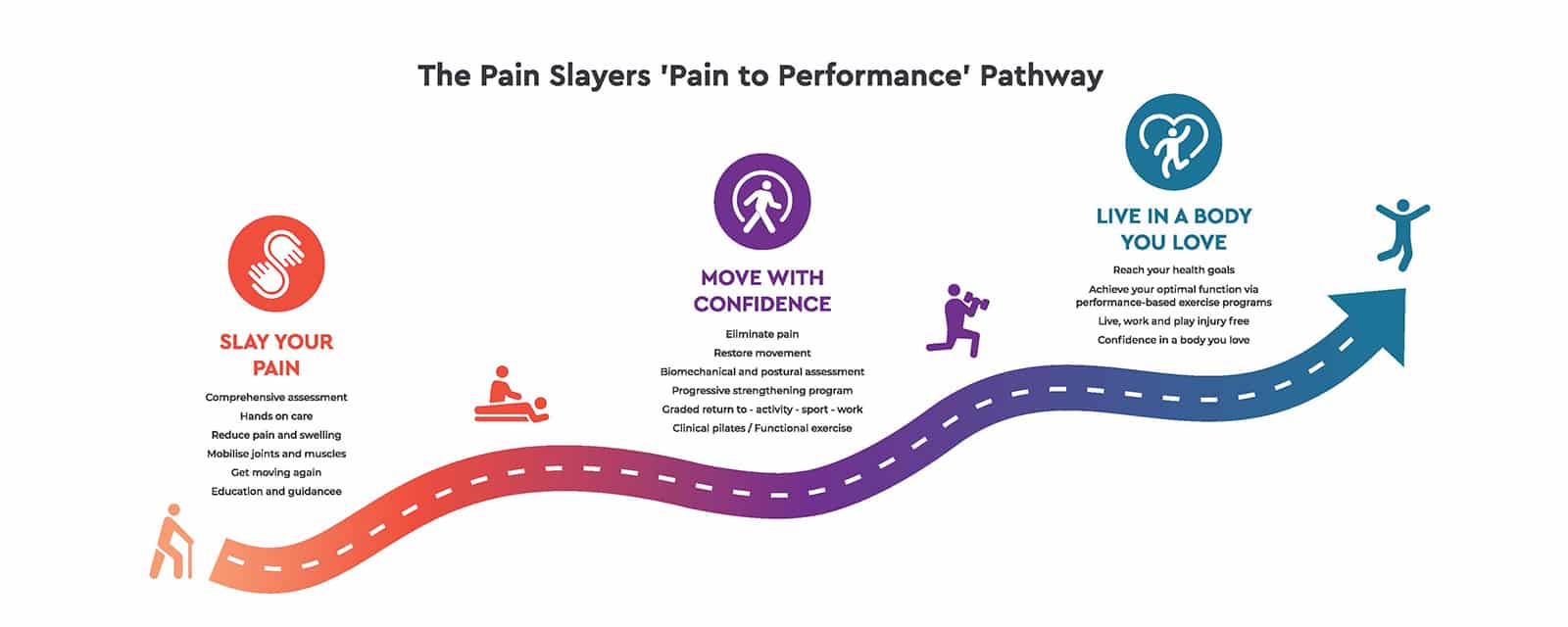
Our experienced team doesn’t just treat symptoms, we pride ourselves on our pain to performance approach to client care where we take the time to understand the root cause of your pain and create a personalised plan to help you move better, feel stronger and get back to what you love. Our model is to slay your pain, help you to move with confidence and ultimately live in a body you love.
Because it's not just about living longer—it's about living well. Prioritising your health span means staying active and independent for as many years as possible.
Make your health a priority and book an appointment with one of our expert physios and take the first step towards better health.
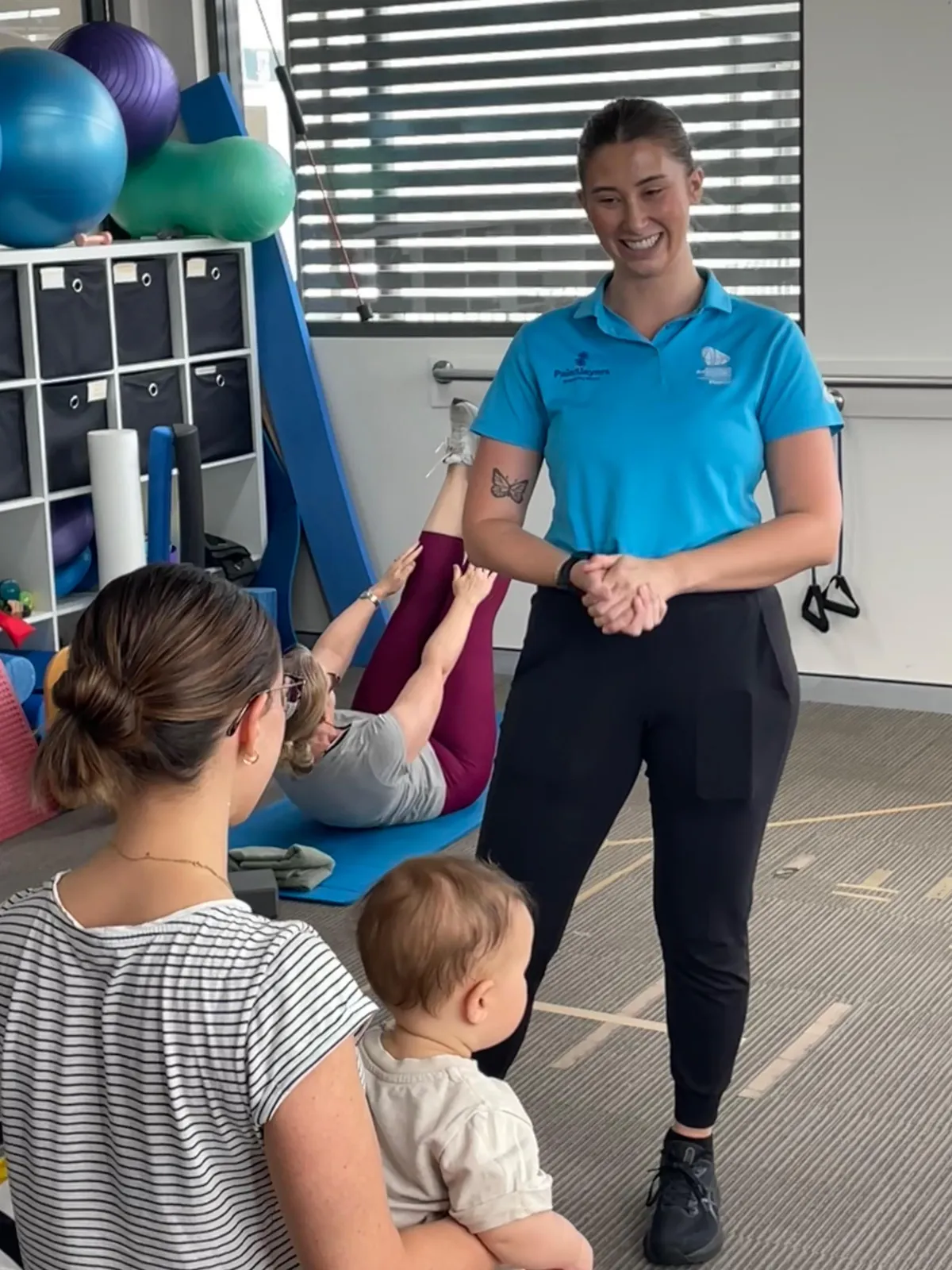
Graceville Physio Painslayers was established in 1990 and has consistently provided a high standard of Physiotherapy care to the people of Graceville, Sherwood, Corinda, Tennyson ,Oxley and Chelmer.

What Sets Us Apart?
Our “Pain Slayers” identity reflects our bold philosophy — we don’t just manage symptoms, we focus on eliminating pain and helping you get back to living your best life.
We’ve been proudly serving Graceville, Sherwood, Corinda and Chelmer since 1990. Our long-standing presence means we truly understand and care for the health needs of our community.
From premium physiotherapy and sports injury management to dry needling, women’s health, and clinical exercise programs, we offer a full range of services designed to treat the cause, not just the symptoms.
You don’t need a referral to see us, and we make it easy to book online. With convenient Saturday appointments and a central Graceville location, we’re here when you need us.
How Can We Help?
At Graceville Physio Painslayers we treat a wide range of conditions from everyday aches to complex injuries. Whether you're dealing with a recent injury or something that’s been nagging you for a while, our experienced physiotherapists can help you understand the cause and work towards lasting relief.
We commonly help clients with:
Back pain – from stiffness and postural strain to disc injuries and sciatica
Neck pain & headaches – including tension, whiplash and desk-related strain
Shoulder pain – such as rotator cuff issues, bursitis and frozen shoulder
Knee pain – from ligament injuries and arthritis to patellofemoral pain
Hip & pelvic pain – affecting movement, stability or sleep
Ankle & foot problems – including sprains, Achilles issues and plantar fasciitis
Post-surgical recovery – regain strength and mobility after Orthopaedic Surgery (Hip and Knee replacements, ACL reconstructions etc)
Sports injuries – from sprains and strains to overuse injuries
Balance and dizziness issues – including BPPV and vestibular dysfunction
Confused about your pain and not sure what to do?
Get clear, professional advice in our free downloadable information packs
Back Pain
Understand why back pain happens and how to help it
Shoulder Pain
Understand why shoulder pain happens and how to help it
Knee Pain
Understand why knee pain happens and how to help it


Latest Tips and Advice
Hip Osteoarthritis Physio Graceville | Hip Pain Help
If hip pain is making it harder to walk, climb stairs, get out of a chair or enjoy your usual activities, you may be wondering whether physiotherapy can help with hip osteoarthritis. The short answer is yes: physio can play an important role in helping you understand your hip, manage symptoms, build strength and improve confidence with movement. At Graceville Painslayers Physiotherapy in Graceville, Brisbane, our approach is practical, supportive and tailored to your goals.
What Is Hip Osteoarthritis?
Hip osteoarthritis is a common joint condition where changes in the hip joint can contribute to pain, stiffness and reduced mobility. It often develops gradually and may feel worse after longer walks, standing for extended periods, getting in and out of the car, or first thing in the morning.
Common symptoms of hip osteoarthritis can include:
Pain in the groin, front of the hip, buttock or thigh
Hip stiffness, especially after rest
Difficulty walking longer distances
Reduced hip movement
Discomfort with stairs, squatting or getting up from low chairs
Reduced confidence being active
Symptoms vary between people, and imaging findings do not always match how much pain or difficulty someone experiences. A physiotherapy assessment can help identify what is contributing to your symptoms and what you can do next.
How Can Physiotherapy Help Hip Osteoarthritis?
Physiotherapy for hip osteoarthritis focuses on improving how your hip and surrounding muscles work, helping you move in ways that are comfortable and giving you strategies to manage flare-ups. Current Australian guidance supports non-surgical management for many people with hip osteoarthritis, including education, exercise and weight management where relevant.
1. Education and Clear Advice
Understanding hip osteoarthritis can reduce uncertainty and help you make informed decisions. Your physio can explain what osteoarthritis means, why symptoms may fluctuate, which activities may be contributing to irritation, and how to pace activity without avoiding movement unnecessarily.
2. Strength and Mobility Exercises
Exercise is a key part of hip osteoarthritis management. A physiotherapist can prescribe exercises suited to your current capacity, symptoms and goals. This may include strengthening for the gluteal muscles, thighs and core, as well as mobility exercises to help maintain comfortable hip movement.
The right exercise program should feel achievable, not overwhelming. It can be progressed gradually as your strength, tolerance and confidence improve.
3. Help With Walking, Stairs and Daily Activities
Hip osteoarthritis can affect everyday tasks around home, work and the community. Your physio can look at how you walk, climb stairs, stand from a chair or move during exercise, then suggest practical adjustments. Small changes to pacing, footwear, walking volume or technique may make daily activities easier to manage.
4. Flare-Up Management
It is common for hip osteoarthritis symptoms to flare after a change in activity, a busy week or unfamiliar exercise. Physiotherapy can help you identifylikely triggers and create a plan for what to do when symptoms increase. This may include temporary activity modification, gentle movement, recovery strategies and a gradual return to your usual routine.
5. Manual Therapy Where Appropriate
Some people find hands-on treatment helpful as part of a broader management plan. Manual therapy may be used to support movement or comfort, but it is usually most useful when combined with exercise, education and self-management strategies.
Do I Need a Scan Before Seeing a Physio?
Not always. A physiotherapist can assess your symptoms, movement, strength and function without needing imaging first. If your presentation suggests that further investigation or medical review is appropriate, your physio can discuss this with you and recommend the next step. If you already have X-ray or scan results, bring them along so they can be considered alongside your symptoms and goals.
Can Physio Help Me Avoid Hip Surgery?
Physiotherapy cannot reverse joint changes or guarantee that surgery will not be needed. However, many people use physiotherapy to improve strength, mobility, activity tolerance and confidence. For some, this may help them manage symptoms for longer. For others who are considering or waiting for hip replacement surgery, physiotherapy may help improve preparation and recovery planning.
Common Questions About Hip Osteoarthritis Physiotherapy
Is walking good for hip osteoarthritis?
Walking can be helpful when it is matched to your current tolerance. If walking increases your hip pain, your physio can help you adjust distance, speed, terrain, footwear or rest breaks so you can stay active in a manageable way.
What exercises should I do for hip osteoarthritis?
Exercises often include hip and leg strengthening, balance work, gentle mobility and low-impact aerobic activity. The best program depends on your symptoms, strength, general health and goals. A tailored plan is usually more useful than a generic list of exercises.
Will exercise make osteoarthritis worse?
Appropriate exercise is generally considered an important part of osteoarthritis management. Some discomfort can occur when starting new exercises, but pain should be monitored and the program adjusted if symptoms are not settling. Your physiotherapist can guide safe progression.
Hip Osteoarthritis Physio in Graceville, Brisbane
If you live in Graceville, Sherwood, Chelmer, Corinda, Indooroopilly or surrounding Brisbane suburbs, Graceville Painslayers Physiotherapy can help you understand your hip pain and take practical steps towards moving more comfortably. Your physiotherapy appointment may include an assessment, discussion of your goals, education, exercise planning and strategies you can use between sessions.
Everyone’s experience of hip osteoarthritis is different, so your plan should be individual to you. The aim is to support informed choices, help you stay active where possible and provide a clear pathway for managing your symptoms over time.
Book a Physiotherapy Appointment
If hip osteoarthritis is affecting your walking, work, exercise or daily life, you do not have to work it out alone. Contact Graceville Painslayers Physiotherapy in Graceville, Brisbane to book an appointment and discuss a personalised management plan for your hip pain.

Contact us today to speak with our friendly team and find out how we can help you feel your best
Our memberships and partnerships reflect our commitment to quality care.








Graceville Physio Painslayers is powered by Vitala Health, a group of Allied Health Practices across New Zealand and Australia.
Vitala Health provides clinical solutions that supports clients health and lifestyle needs through best practice treatment, premium facilities, education and ongoing commitment to customer service. Learn more about Vitala Health
If you have any questions before scheduling an appointment or for general enquiries, please contact us. Our team will promptly reach out to assist you.
Opening Hours
Mon: 7:30am - 7:00pm
Tue: 7:30am - 7:00pm
Wed: 7:30am - 7:00pm
Thu: 7:30am - 7:00pm
Fri: 7:30am - 6:00pm
Sat: 9:00am - 2:00pm
Sun: Closed
Location
2 /296 Oxley Road
Graceville
QLD, 4075



Follow Us
The Clinic
Common conditions
© Copyright 2026 Vitala Health. All Rights Reserved.
Facebook
Instagram
Youtube