
Are You Looking For a Physiotherapist In Graceville, QLD?
Why Book at Graceville Physio Painslayers?
Because we’re not just Physiotherapists, we are Pain Slayers!
When it comes to your health, you deserve the best and that’s exactly what we deliver.
At Graceville Physio Painslayers, we combine clinical expertise with genuine care to provide results-driven physiotherapy that puts you first.
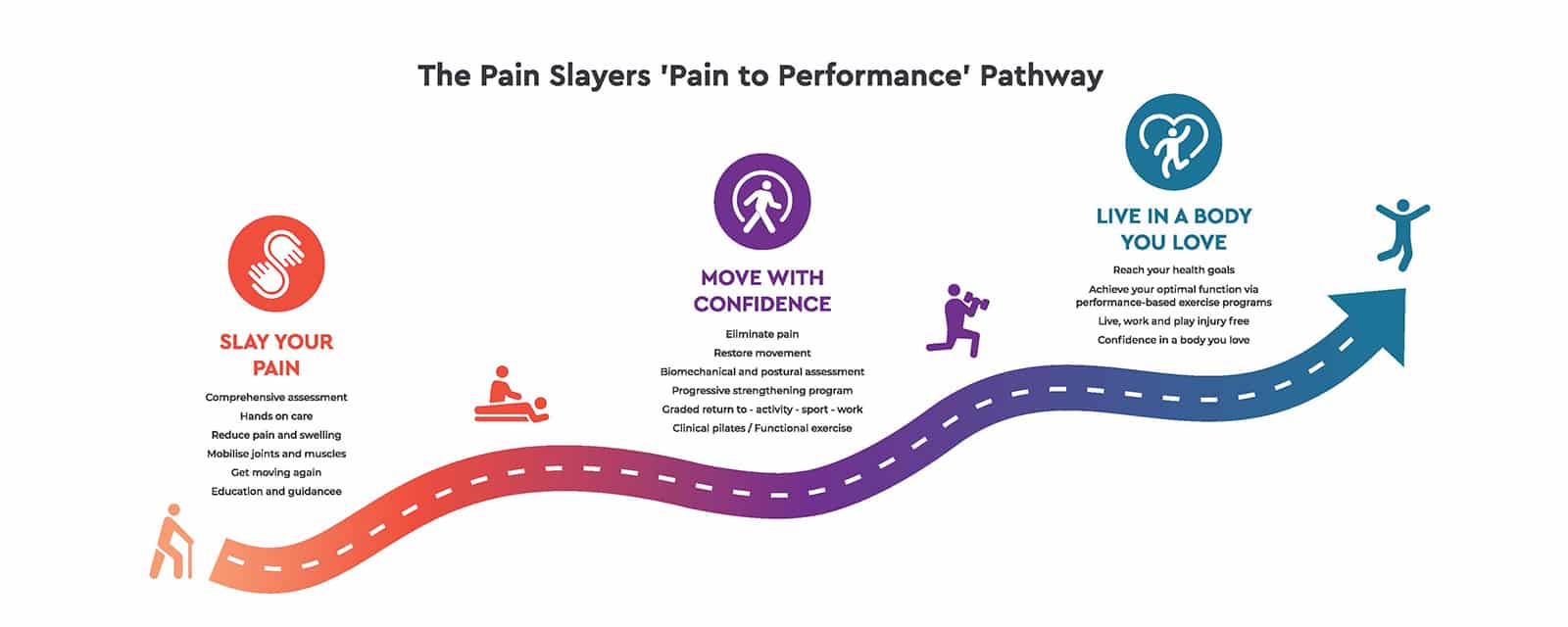
Our experienced team doesn’t just treat symptoms, we pride ourselves on our pain to performance approach to client care where we take the time to understand the root cause of your pain and create a personalised plan to help you move better, feel stronger and get back to what you love. Our model is to slay your pain, help you to move with confidence and ultimately live in a body you love.
Because it's not just about living longer—it's about living well. Prioritising your health span means staying active and independent for as many years as possible.
Make your health a priority and book an appointment with one of our expert physios and take the first step towards better health.
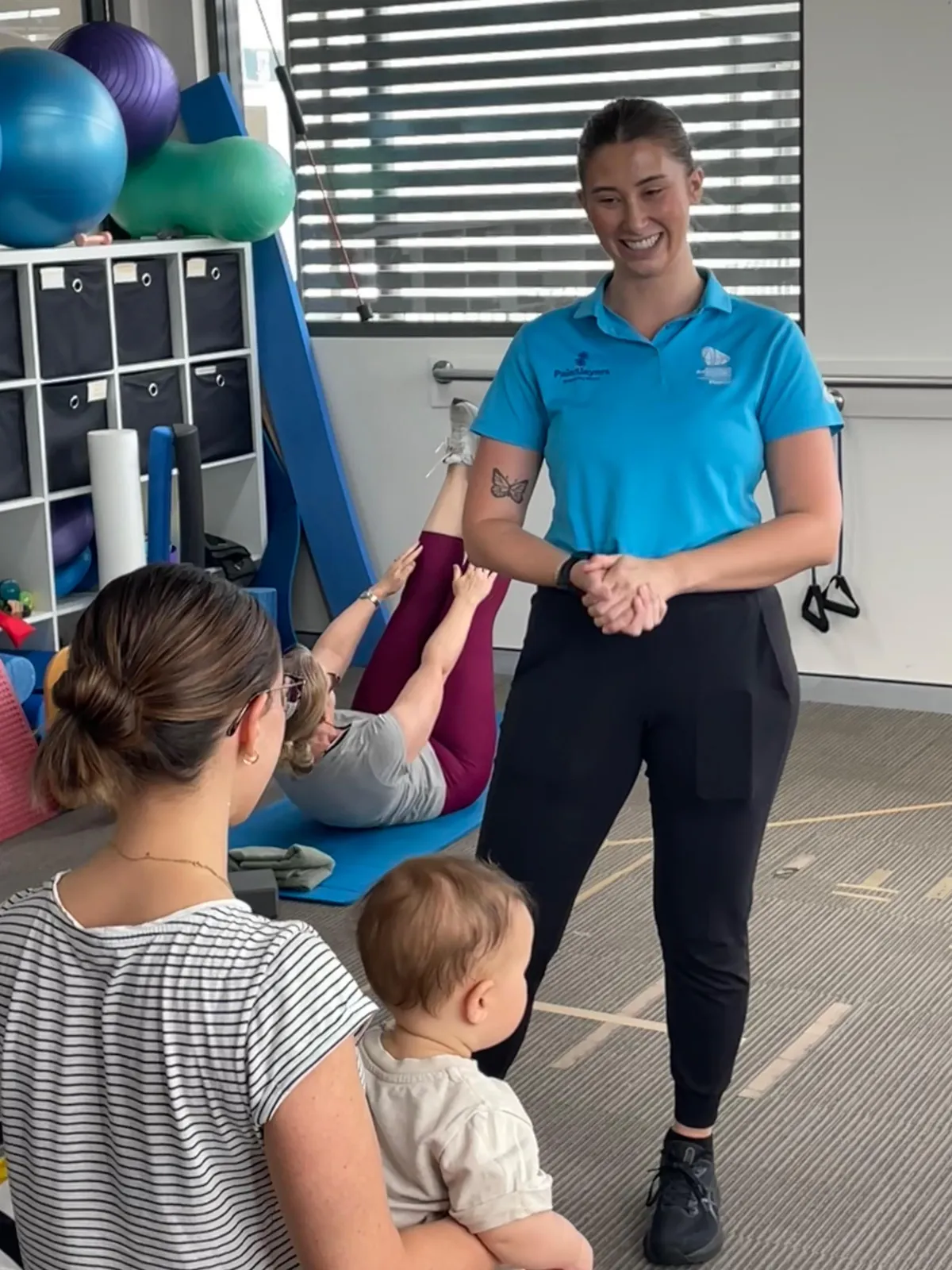
Graceville Physio Painslayers was established in 1990 and has consistently provided a high standard of Physiotherapy care to the people of Graceville, Sherwood, Corinda, Tennyson ,Oxley and Chelmer.

What Sets Us Apart?
Our “Pain Slayers” identity reflects our bold philosophy — we don’t just manage symptoms, we focus on eliminating pain and helping you get back to living your best life.
We’ve been proudly serving Graceville, Sherwood, Corinda and Chelmer since 1990. Our long-standing presence means we truly understand and care for the health needs of our community.
From premium physiotherapy and sports injury management to dry needling, women’s health, and clinical exercise programs, we offer a full range of services designed to treat the cause, not just the symptoms.
You don’t need a referral to see us, and we make it easy to book online. With convenient Saturday appointments and a central Graceville location, we’re here when you need us.
How Can We Help?
At Graceville Physio Painslayers we treat a wide range of conditions from everyday aches to complex injuries. Whether you're dealing with a recent injury or something that’s been nagging you for a while, our experienced physiotherapists can help you understand the cause and work towards lasting relief.
We commonly help clients with:
Back pain – from stiffness and postural strain to disc injuries and sciatica
Neck pain & headaches – including tension, whiplash and desk-related strain
Shoulder pain – such as rotator cuff issues, bursitis and frozen shoulder
Knee pain – from ligament injuries and arthritis to patellofemoral pain
Hip & pelvic pain – affecting movement, stability or sleep
Ankle & foot problems – including sprains, Achilles issues and plantar fasciitis
Post-surgical recovery – regain strength and mobility after Orthopaedic Surgery (Hip and Knee replacements, ACL reconstructions etc)
Sports injuries – from sprains and strains to overuse injuries
Balance and dizziness issues – including BPPV and vestibular dysfunction
Confused about your pain and not sure what to do?
Get clear, professional advice in our free downloadable information packs
Back Pain
Understand why back pain happens and how to help it
Shoulder Pain
Understand why shoulder pain happens and how to help it
Knee Pain
Understand why knee pain happens and how to help it

Latest Tips and Advice
CRPS & Physiotherapy | Graceville Painslayers Brisbane
What is CRPS and how can physiotherapy help?
When pain after an injury feels unusually intense, even simple tasks can become difficult. Clothing brushing your skin, walking to the shops or using your hand may feel overwhelming. If this sounds familiar, you deserve a careful assessment—not an assumption that you should simply push through.
Complex regional pain syndrome (CRPS) is one possible explanation for persistent limb pain accompanied by changes such as swelling or skin sensitivity. Here is what people in Graceville, Brisbane should know about CRPS and the role physiotherapy can play.
What is complex regional pain syndrome?
CRPS is a persistent pain condition that usually affects an arm, leg, hand or foot. Pain is greater or lasts longer than expected after the original injury, and may occur alongside changes in sensation, movement, skin temperature or colour. It can follow a fracture, sprain or surgery, although sometimes there is no clear trigger.
CRPS involves complex changes in pain processing, inflammation and nervous system function. The exact mechanisms are not fully understood. Your pain is real; having CRPS does not mean you are imagining your symptoms.
What is the difference between CRPS type 1 and type 2?
CRPS type 1 occurs without an identified nerve injury. CRPS type 2 involves an identifiable nerve injury. Both require individual assessment rather than a one-size-fits-all treatment plan.
What are the symptoms of CRPS?
Symptoms vary, but may include:
Burning, shooting or unusually intense pain.
Pain from light touch, clothing or gentle pressure.
Swelling and changes in sweating.
Skin that looks different in colour or feels warmer or cooler.
Stiffness, weakness or difficulty coordinating movement.
Changes in skin texture, nail growth or hair growth.
These symptoms can have other causes. Ongoing pain alone does not confirm CRPS, so avoid diagnosing yourself from an online checklist.
How is CRPS diagnosed?
Diagnosis relies on your history and a clinical examination using recognised criteria, often called the Budapest criteria. There is no single scan or blood test that confirms CRPS. Your doctor may arrange investigations to rule out other explanations. Seek medical assessment for unexplained or worsening limb pain, swelling or skin changes.
How can physiotherapy help with CRPS?
Physiotherapy is recommended as part of coordinated CRPS management. The focus is on gradually working towards everyday movement and function, with education and strategies for managing activity. Treatment should reflect your symptoms, tolerance and personal goals. A recommendation to include rehabilitation is not a promise of pain relief or recovery. Discuss possible benefits, risks and alternatives with your treating team.
Gentle movement and graded activity
A physiotherapist may introduce manageable movement, then gradually adjust exercises or everyday tasks. Goals might include holding a cup, dressing or walking a short distance. The starting point should suit you, rather than follow a fixed exercise target.
Desensitisation and movement imagery
Desensitisation involves carefully introducing tolerable touch or textures to an affected area. Graded motor imagery may involve recognising left and right limbs, imagining movement and using mirror-based exercises. These approaches are options to discuss, not techniques everyone needs or should begin without guidance.
Pacing and a coordinated care plan
Pacing means balancing activity and rest instead of repeatedly doing too much on a better day and then needing prolonged recovery. Your physiotherapist can help set realistic goals and review your response. Care may also involve your GP, a pain medicine doctor, an occupational therapist or a psychologist.
Common questions about CRPS physiotherapy
Should I exercise if movement hurts?
The aim is not to force painful movement. Equally, avoiding all movement can make rehabilitation harder. Ask your treating clinician what level of activity is appropriate and how to adjust it during a flare-up. Report significant or sustained worsening so your plan can be reviewed.
How long does CRPS take to improve?
There is no reliable timetable for everyone. Some people improve over time; others experience ongoing symptoms and need longer-term support. Progress may involve practical changes in daily function rather than immediate pain reduction. No clinician can guarantee an outcome or a set number of appointments.
What should I discuss at my first appointment?
Explain when symptoms began, any injury or surgery, medicines you take and which activities matter most to you. Bring relevant reports if available. Ask about the assessment findings, treatment options, possible flare-ups and whether further medical review is needed.
Discuss CRPS physiotherapy in Graceville, Brisbane
If persistent limb pain is affecting your daily life, contact Graceville Painslayers Physiotherapy in Graceville, Brisbane to book an assessment or discuss whether an appointment is appropriate. Share your symptoms and goals, and ask about suitable next steps. If CRPS is suspected, arrange medical review as well.
This article provides general information and does not replace individual medical advice.

Contact us today to speak with our friendly team and find out how we can help you feel your best
Our memberships and partnerships reflect our commitment to quality care.








Graceville Physio Painslayers is powered by Vitala Health, a group of Allied Health Practices across New Zealand and Australia.
Vitala Health provides clinical solutions that supports clients health and lifestyle needs through best practice treatment, premium facilities, education and ongoing commitment to customer service. Learn more about Vitala Health
If you have any questions before scheduling an appointment or for general enquiries, please contact us. Our team will promptly reach out to assist you.
Opening Hours
Mon: 7:30am - 7:00pm
Tue: 7:30am - 7:00pm
Wed: 7:30am - 7:00pm
Thu: 7:30am - 7:00pm
Fri: 7:30am - 6:00pm
Sat: 9:00am - 2:00pm
Sun: Closed
Location
2 /296 Oxley Road
Graceville
QLD, 4075



Follow Us
The Clinic
Common conditions
© Copyright 2026 Vitala Health. All Rights Reserved.
Facebook
Instagram
Youtube